Yalda Afsah
Temper
Excerpt from: Yalda Afsah, HEAT, 2026, © VG Bild-Kunst, Bonn 2026
Temper
Whether it be spiritual ceremonies, seasonal festivities or rituals of initiation and transition – customs and rites count among humanity’s oldest collective practices. They foster temporary communities, help structure emotions and enable forms of belonging that often defy rational explanation. At the same time, they can be closely connected to marginalization, disciplinary power and violence.
In her latest series of works, Yalda Afsah navigates precisely within this area of tension. She explores rituals and their role as social and physical choreographies, in the scope of which universal questions of power, identity and community come to the fore. In her solo exhibition at the Kunsthaus Hamburg, the films JARRAMPLAS, PAN and HEAT are presented together for the first time. Based on research into local ritual practices in Spain, Bulgaria and Taiwan, the works examine how societal orders and collective emotional states manifest themselves in performative acts.
While JARRAMPLAS follows a ritual in the Spanish mountain village of Piornal as an ambivalent interplay of collective aggression and spectatorship, PAN unfolds as a multi-layered choreography blending spirituality, physical discipline and community in the Bulgarian Rila Mountains. Yalda Afsah’s new film HEAT, which is shown in an institutional context for the first time, is devoted to the Taiwanese Bombing of Master Handan Festival. Here, the artist turns her attention to an ecstatic ceremony that combines an affirmation of faith, a test of courage and ritual purification to create a sensually condensed experience of light, sound and corporal sensation.
Yalda Afsah observes these processes with great intimacy and, at the same time, with critical distance, revealing how fragile and contradictory the systems are that produce communities. The exhibition thus introduces a precise artistic exploration of customs as collective experiences in the present day.
Curated by Anna Nowak
Yalda Afsah (born 1983, Berlin) is a German-Iranian artist and filmmaker. She studied at the Berlin University of the Arts, Burg Giebichenstein in Halle and the California Institute of the Arts. With her films, she operates at the intersection of documentary and staged narrative. Her precisely composed images condense social power dynamics, forms of care and questions of intimacy, control and vulnerability. Her works have been presented in numerous exhibitions and at international film festivals, including the Locarno Film Festival, CH (2018 and 2020); the New York Film Festival, US (2018); Manifesta 13, Marseille, FR (2020); Kunstverein München, DE (2022); JOAN, Los Angeles, US (2023); HALLE FÜR KUNST Steiermark, Graz, AU (2022); Between Bridges, Berlin, DE (2023); Mönchehaus Museum Goslar, DE (2025); and CCA Berlin, DE (2026). As part of the 2026 Biennale, she presented a solo exhibition at the Palazzo Ca’ Buccari, Venice, IT. In June 2026, her latest work HEAT premiered at Art Basel Statements, CH. Since 2025, she has been Professor of Time-Based Media at the University of Fine Arts, Hamburg. She lives and works in Berlin.
Exhibition film
Video: Lashproduction
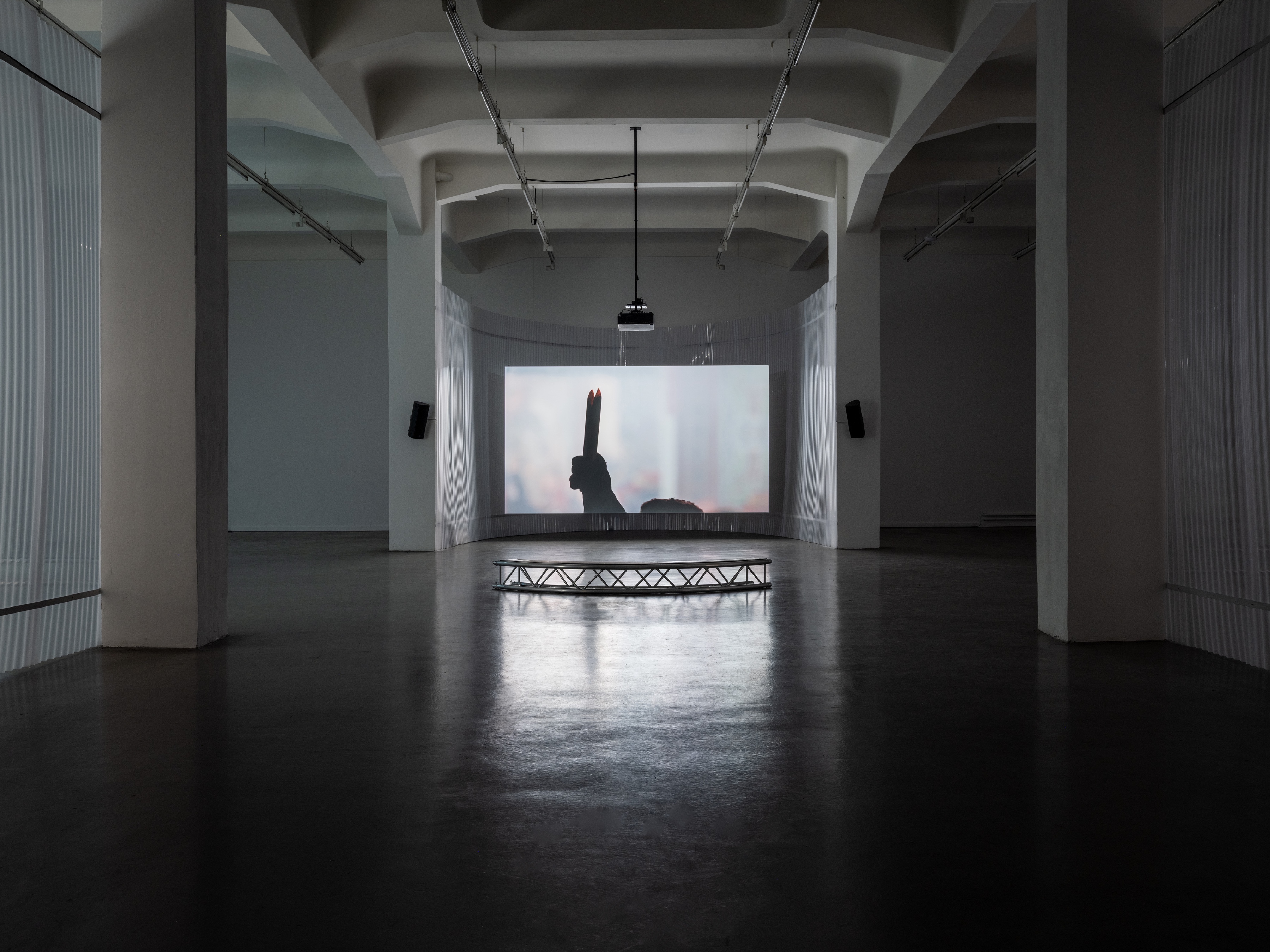
Yalda Afsah, HEAT, 2026 (Installation view, Kunsthaus Hamburg), © VG Bild-Kunst, Bonn 2026, Photo: Fred Dott
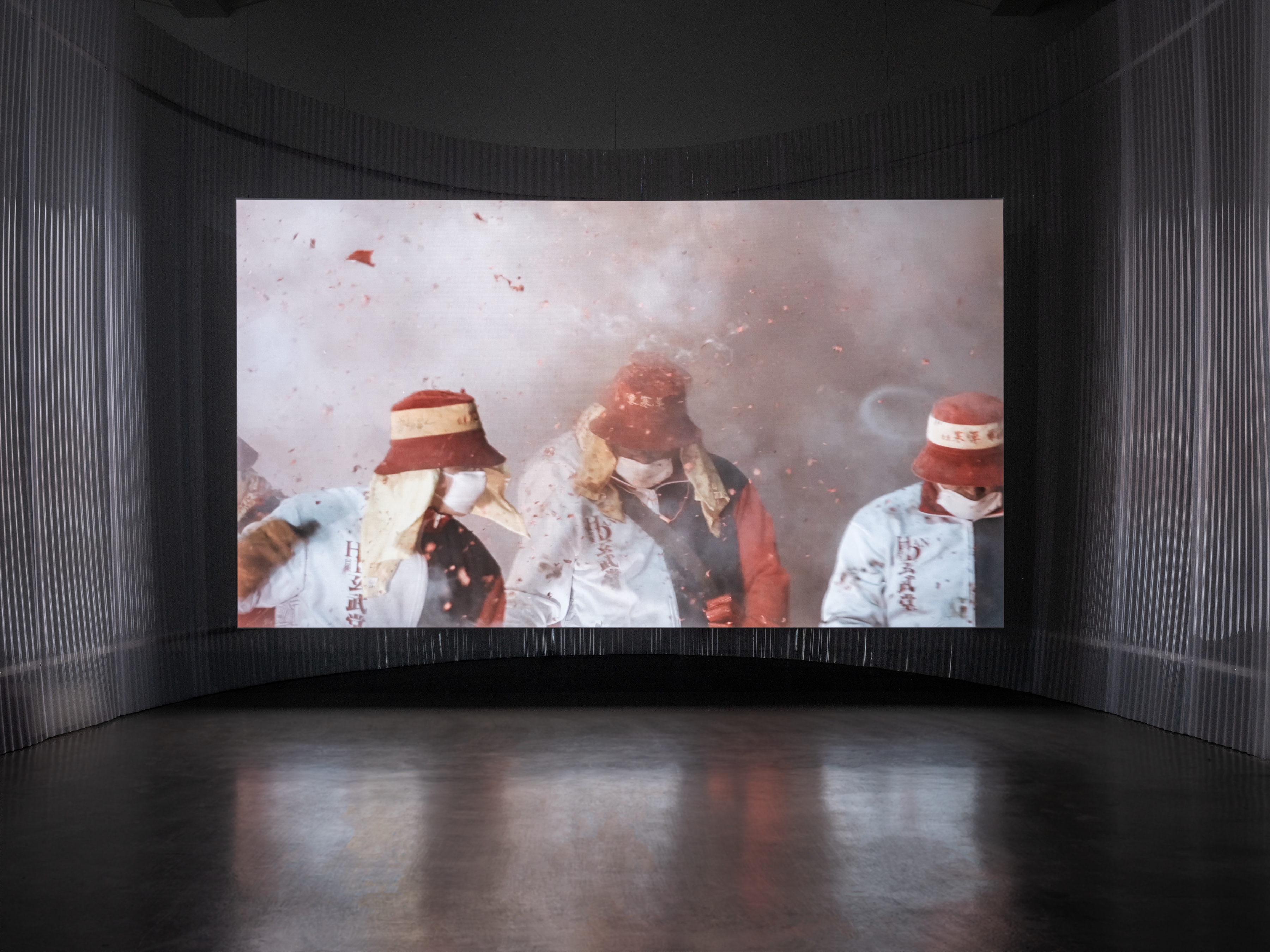
Yalda Afsah, HEAT, 2026 (Installation view, Kunsthaus Hamburg), © VG Bild-Kunst, Bonn 2026, Photo: Fred Dott
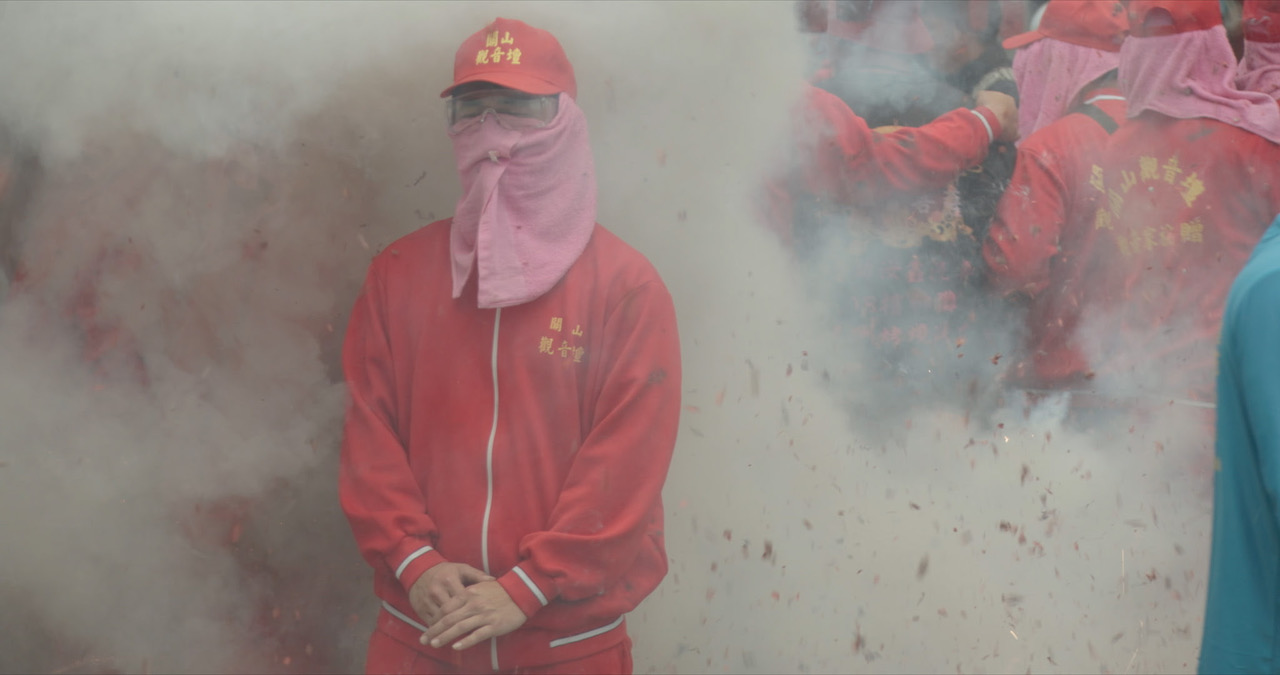
Yalda Afsah, HEAT, 2026, Film still, © VG Bild-Kunst, Bonn 2026
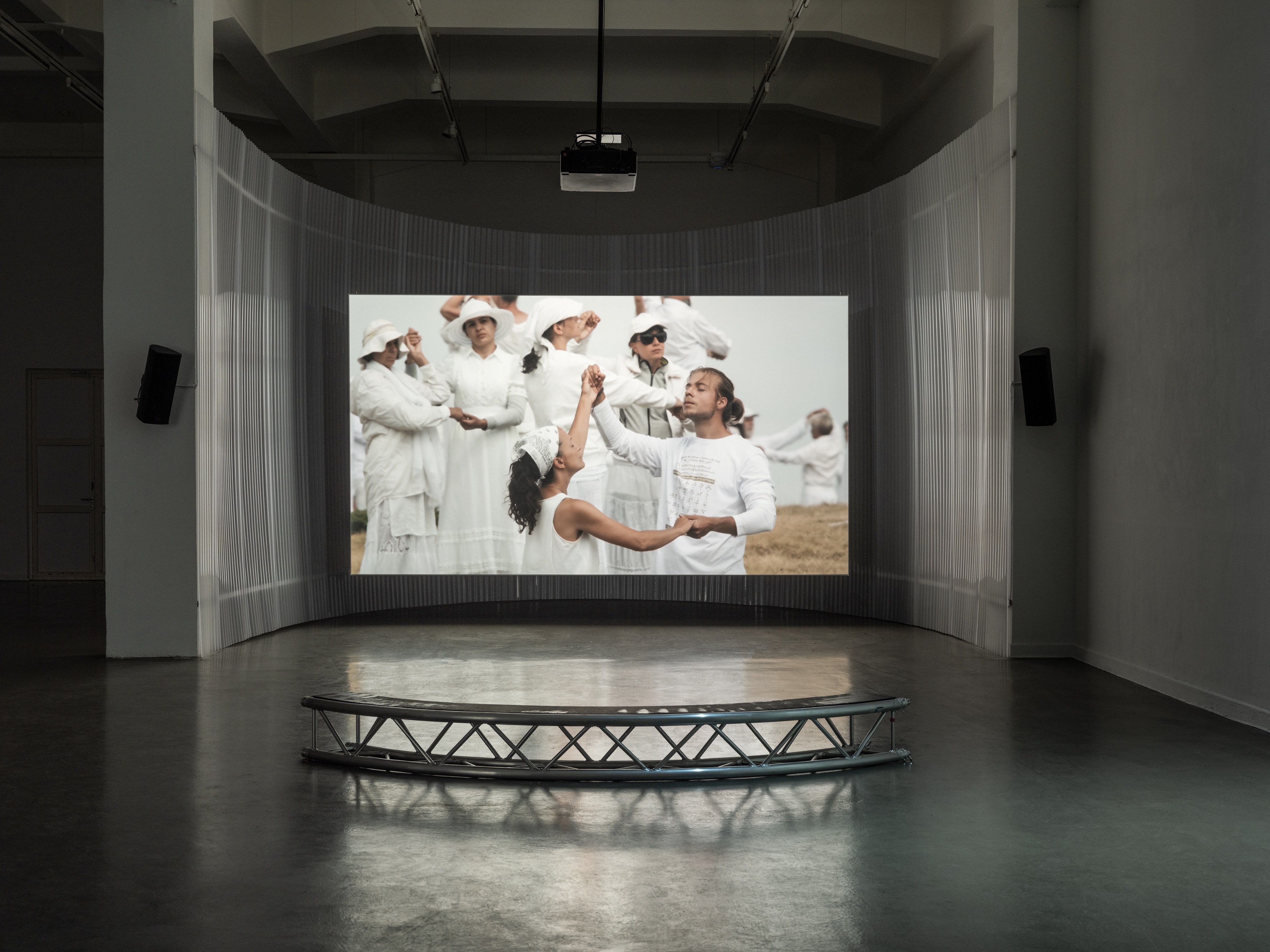
Yalda Afsah, PAN, 2026 (Installation view, Kunsthaus Hamburg), © VG Bild-Kunst, Bonn 2026, Photo: Fred Dott
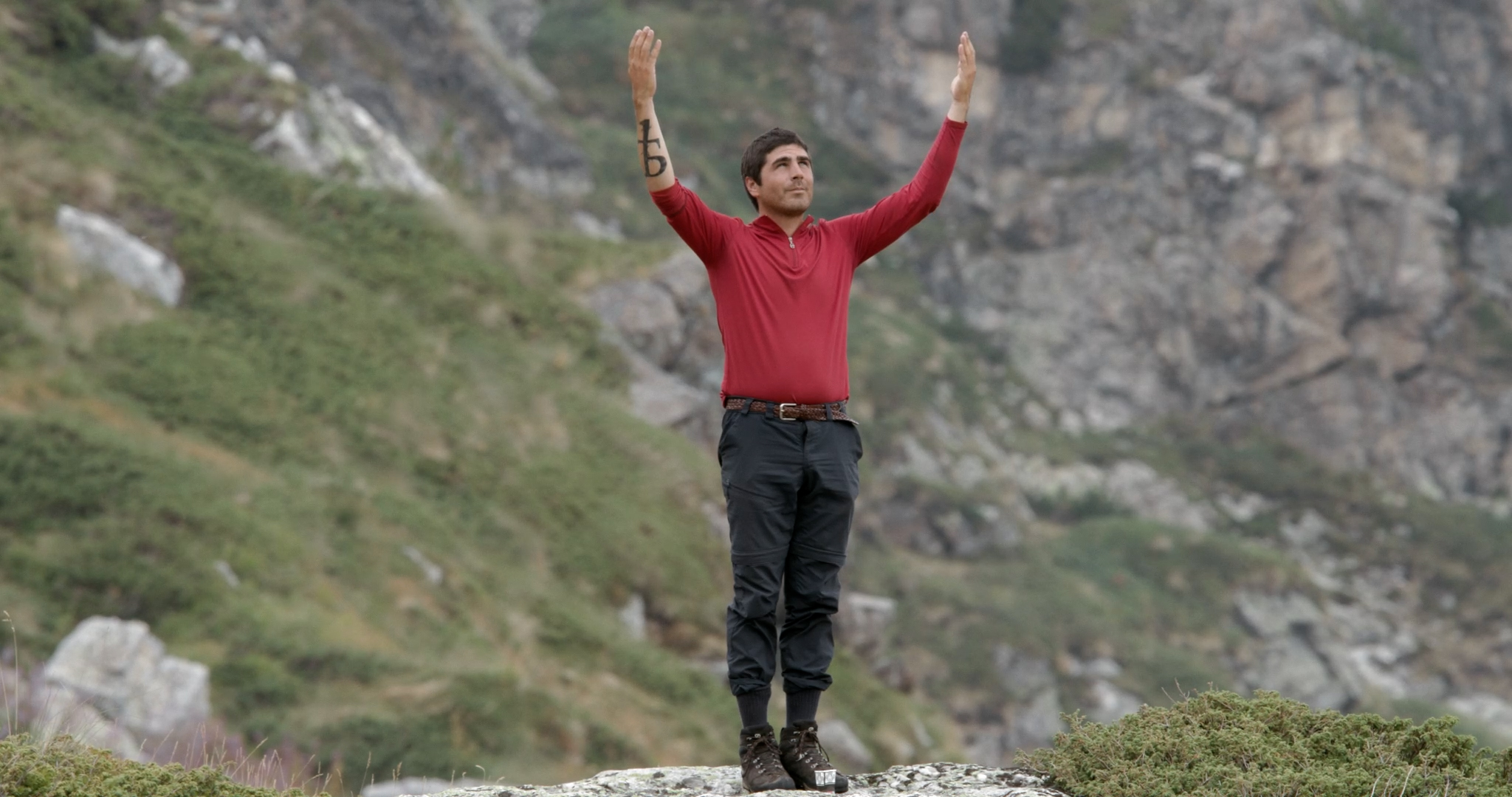
Yalda Afsah, PAN, 2026, Film still, © VG Bild-Kunst, Bonn 2026
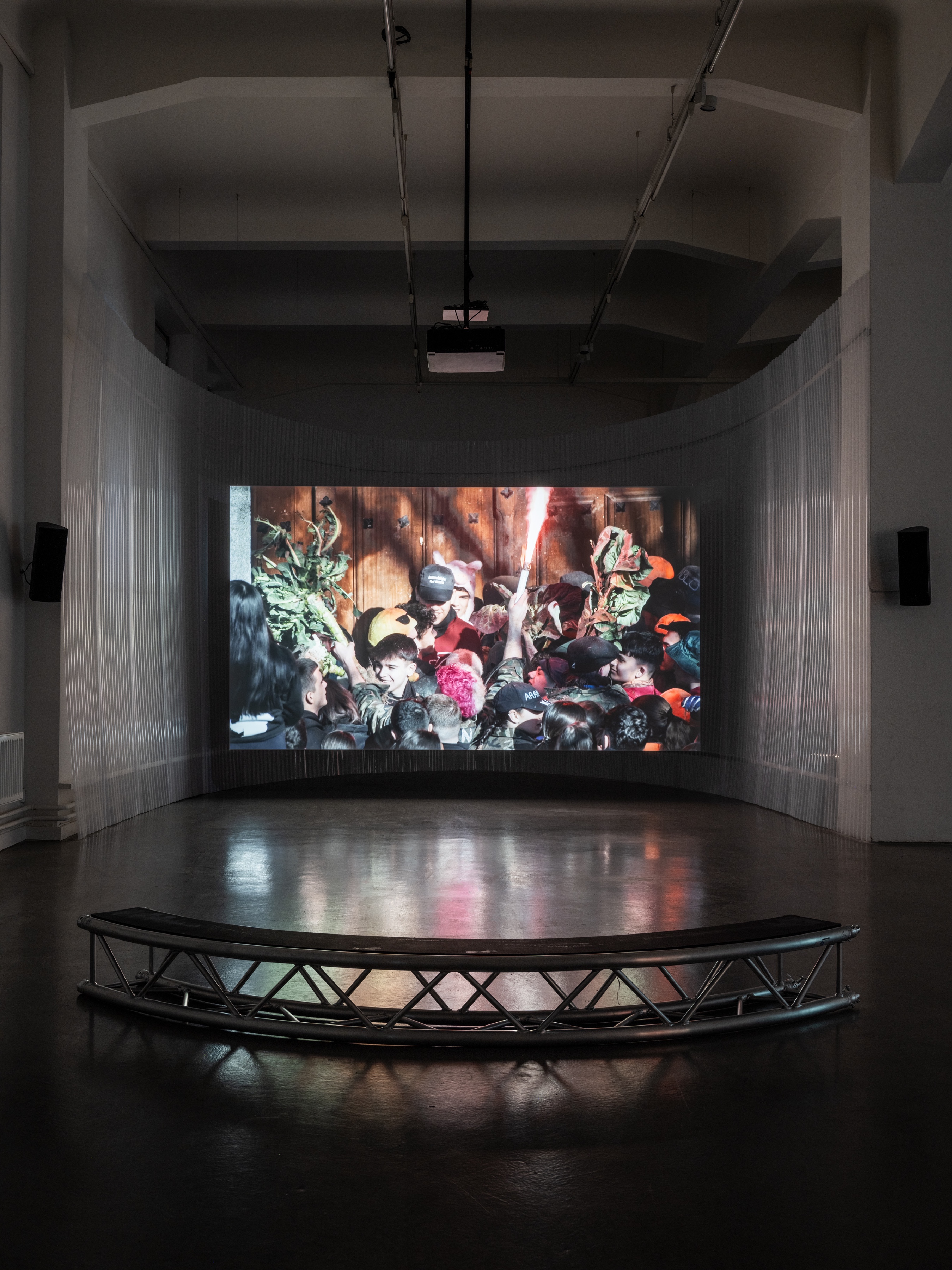
Yalda Afsah, JARRAMPLAS, 2025 (Installation view, Kunsthaus Hamburg), © VG Bild-Kunst, Bonn 2026, Photo: Fred Dott
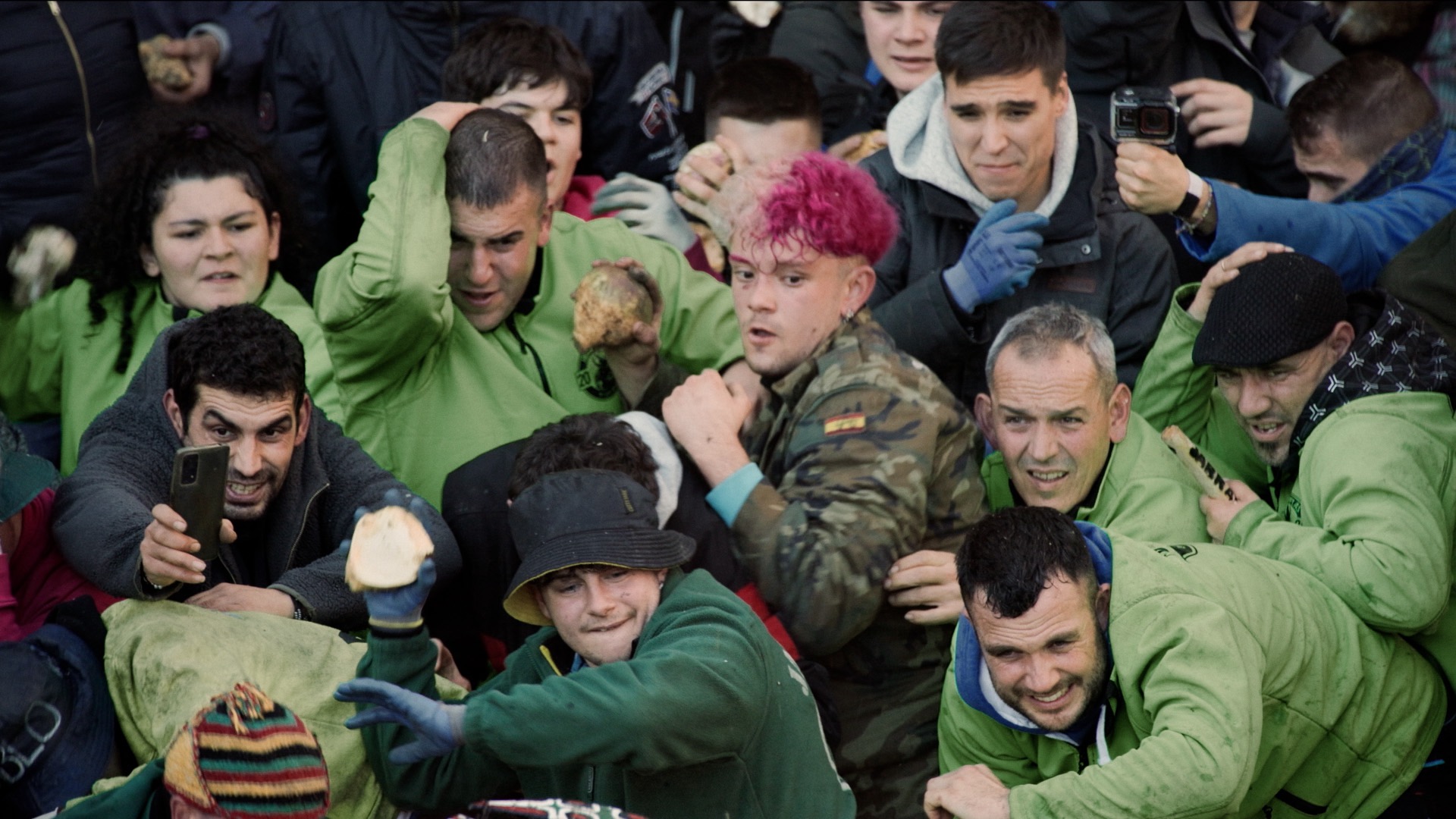
Yalda Afsah, JARRAMPLAS, 2025, Film still, © VG Bild-Kunst, Bonn 2026
Yalda Afsah, HEAT, 2026 (Installation view, Kunsthaus Hamburg), © VG Bild-Kunst, Bonn 2026, Photo: Fred Dott
Yalda Afsah, HEAT, 2026 (Installation view, Kunsthaus Hamburg), © VG Bild-Kunst, Bonn 2026, Photo: Fred Dott
Yalda Afsah, HEAT, 2026, Film still, © VG Bild-Kunst, Bonn 2026
Yalda Afsah, PAN, 2026 (Installation view, Kunsthaus Hamburg), © VG Bild-Kunst, Bonn 2026, Photo: Fred Dott
Yalda Afsah, PAN, 2026, Film still, © VG Bild-Kunst, Bonn 2026
Yalda Afsah, JARRAMPLAS, 2025 (Installation view, Kunsthaus Hamburg), © VG Bild-Kunst, Bonn 2026, Photo: Fred Dott
Yalda Afsah, JARRAMPLAS, 2025, Film still, © VG Bild-Kunst, Bonn 2026
Yalda Afsah, HEAT, 2026 (Installation view, Kunsthaus Hamburg), © VG Bild-Kunst, Bonn 2026, Photo: Fred Dott
Yalda Afsah, HEAT, 2026 (Installation view, Kunsthaus Hamburg), © VG Bild-Kunst, Bonn 2026, Photo: Fred Dott
Yalda Afsah, HEAT, 2026, Film still, © VG Bild-Kunst, Bonn 2026
Yalda Afsah, PAN, 2026 (Installation view, Kunsthaus Hamburg), © VG Bild-Kunst, Bonn 2026, Photo: Fred Dott
Yalda Afsah, PAN, 2026, Film still, © VG Bild-Kunst, Bonn 2026
Yalda Afsah, JARRAMPLAS, 2025 (Installation view, Kunsthaus Hamburg), © VG Bild-Kunst, Bonn 2026, Photo: Fred Dott
Yalda Afsah, JARRAMPLAS, 2025, Film still, © VG Bild-Kunst, Bonn 2026
Yalda Afsah, HEAT, 2026 (Installation view, Kunsthaus Hamburg), © VG Bild-Kunst, Bonn 2026, Photo: Fred Dott
Yalda Afsah, HEAT, 2026 (Installation view, Kunsthaus Hamburg), © VG Bild-Kunst, Bonn 2026, Photo: Fred Dott
Yalda Afsah, HEAT, 2026, Film still, © VG Bild-Kunst, Bonn 2026
Yalda Afsah, PAN, 2026 (Installation view, Kunsthaus Hamburg), © VG Bild-Kunst, Bonn 2026, Photo: Fred Dott
Yalda Afsah, PAN, 2026, Film still, © VG Bild-Kunst, Bonn 2026
Yalda Afsah, JARRAMPLAS, 2025 (Installation view, Kunsthaus Hamburg), © VG Bild-Kunst, Bonn 2026, Photo: Fred Dott
Yalda Afsah, JARRAMPLAS, 2025, Film still, © VG Bild-Kunst, Bonn 2026
Yalda Afsah, HEAT, 2026 (Installation view, Kunsthaus Hamburg), © VG Bild-Kunst, Bonn 2026, Photo: Fred Dott
Yalda Afsah, HEAT, 2026 (Installation view, Kunsthaus Hamburg), © VG Bild-Kunst, Bonn 2026, Photo: Fred Dott
Yalda Afsah, HEAT, 2026, Film still, © VG Bild-Kunst, Bonn 2026
Yalda Afsah, PAN, 2026 (Installation view, Kunsthaus Hamburg), © VG Bild-Kunst, Bonn 2026, Photo: Fred Dott
Yalda Afsah, PAN, 2026, Film still, © VG Bild-Kunst, Bonn 2026
Yalda Afsah, JARRAMPLAS, 2025 (Installation view, Kunsthaus Hamburg), © VG Bild-Kunst, Bonn 2026, Photo: Fred Dott
Yalda Afsah, JARRAMPLAS, 2025, Film still, © VG Bild-Kunst, Bonn 2026
Yalda Afsah, HEAT, 2026 (Installation view, Kunsthaus Hamburg), © VG Bild-Kunst, Bonn 2026, Photo: Fred Dott
Yalda Afsah, HEAT, 2026 (Installation view, Kunsthaus Hamburg), © VG Bild-Kunst, Bonn 2026, Photo: Fred Dott
Yalda Afsah, HEAT, 2026, Film still, © VG Bild-Kunst, Bonn 2026
Yalda Afsah, PAN, 2026 (Installation view, Kunsthaus Hamburg), © VG Bild-Kunst, Bonn 2026, Photo: Fred Dott
Yalda Afsah, PAN, 2026, Film still, © VG Bild-Kunst, Bonn 2026
Yalda Afsah, JARRAMPLAS, 2025 (Installation view, Kunsthaus Hamburg), © VG Bild-Kunst, Bonn 2026, Photo: Fred Dott
Yalda Afsah, JARRAMPLAS, 2025, Film still, © VG Bild-Kunst, Bonn 2026
Yalda Afsah, HEAT, 2026 (Installation view, Kunsthaus Hamburg), © VG Bild-Kunst, Bonn 2026, Photo: Fred Dott
Yalda Afsah, HEAT, 2026 (Installation view, Kunsthaus Hamburg), © VG Bild-Kunst, Bonn 2026, Photo: Fred Dott
Yalda Afsah, HEAT, 2026, Film still, © VG Bild-Kunst, Bonn 2026
Yalda Afsah, PAN, 2026 (Installation view, Kunsthaus Hamburg), © VG Bild-Kunst, Bonn 2026, Photo: Fred Dott
Yalda Afsah, PAN, 2026, Film still, © VG Bild-Kunst, Bonn 2026
Yalda Afsah, JARRAMPLAS, 2025 (Installation view, Kunsthaus Hamburg), © VG Bild-Kunst, Bonn 2026, Photo: Fred Dott
Yalda Afsah, JARRAMPLAS, 2025, Film still, © VG Bild-Kunst, Bonn 2026
Yalda Afsah, HEAT, 2026 (Installation view, Kunsthaus Hamburg), © VG Bild-Kunst, Bonn 2026, Photo: Fred Dott
Yalda Afsah, HEAT, 2026 (Installation view, Kunsthaus Hamburg), © VG Bild-Kunst, Bonn 2026, Photo: Fred Dott
Yalda Afsah, HEAT, 2026, Film still, © VG Bild-Kunst, Bonn 2026
Yalda Afsah, PAN, 2026 (Installation view, Kunsthaus Hamburg), © VG Bild-Kunst, Bonn 2026, Photo: Fred Dott
Yalda Afsah, PAN, 2026, Film still, © VG Bild-Kunst, Bonn 2026
Yalda Afsah, JARRAMPLAS, 2025 (Installation view, Kunsthaus Hamburg), © VG Bild-Kunst, Bonn 2026, Photo: Fred Dott
Yalda Afsah, JARRAMPLAS, 2025, Film still, © VG Bild-Kunst, Bonn 2026
Supported by Kemmler Foundation [Kemmler Kemmler GmbH]