Current

Whisper Down the Lane –
Sanna Leone

Photo: Sanna Leone


Whisper Down the Lane
Sanna Leone

7 May –2 August 2026
Kunsthaus foyer


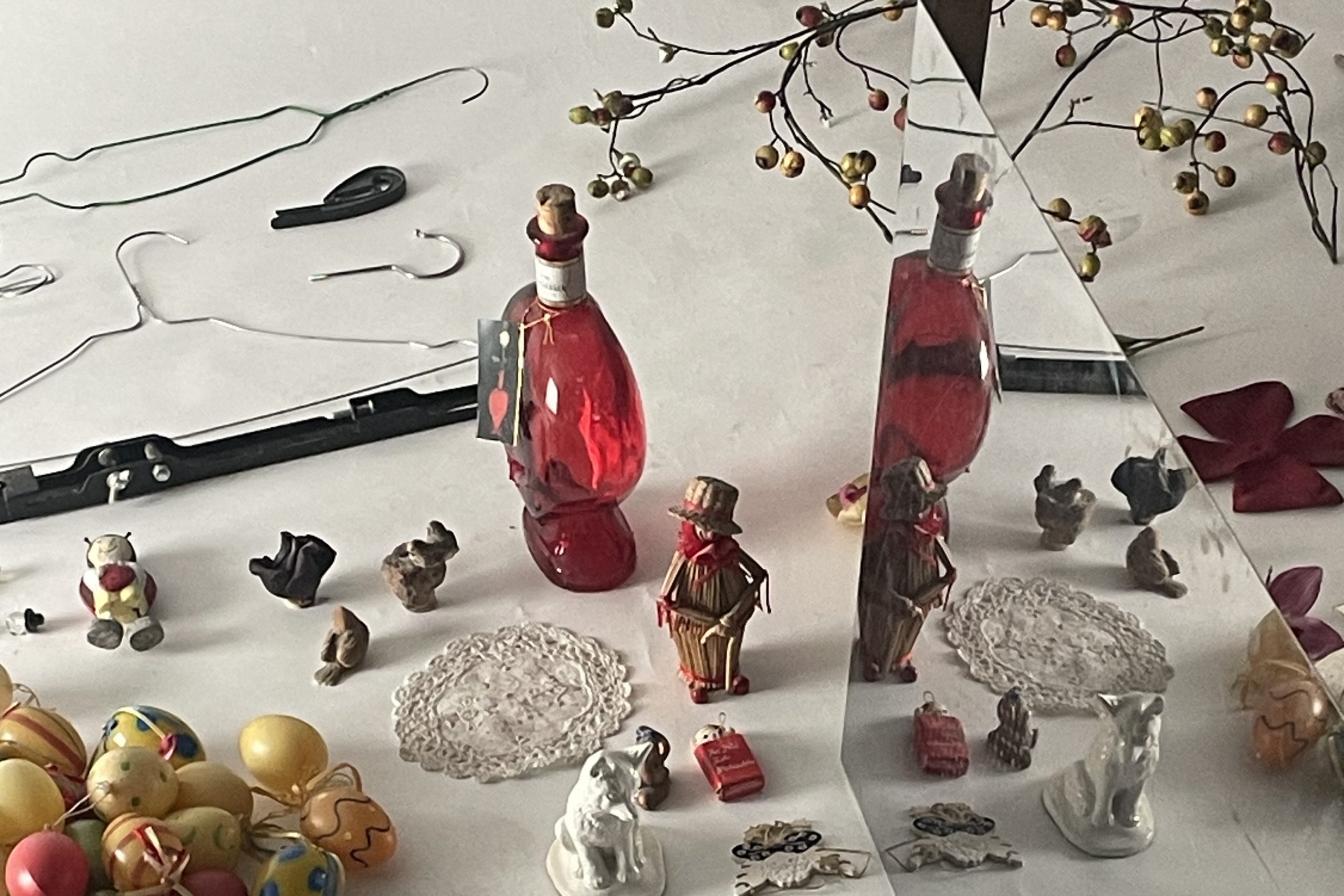
In her installation it takes a village to dump a chair, Sanna Leone explores the question of what responsibility we have for the things we leave behind, examining the attribution of value and utility. In doing so, she draws on the genre of the vanitas still life, a type of image that alludes to the transience of human existence through the depiction of symbolic objects. For her work, she uses discarded goods from flea markets, largely sourced from estate clearances — objects that were forgotten, lost, or left behind at the flea market at Bahrenfelder Trabrennbahn.

The artist collected the items for her installation at two different points in time after the market had closed: some before the refuse service cleared the site; others had slipped through even that net. Crushed in gravel or scattered among piles of leaves, they had become part of the surroundings and thus invisible. Particularly numerous are objects whose significance arises solely from a personal or emotional attachment rather than from their actual material value or practical use. Alongside toiletries and discarded documents, these especially include decorative and ornamental objects. The artist’s collection offers glimpses of past lives that converge in the car park.

When someone dies, the value of their personal belongings is renegotiated. The person who originally gave them meaning is no longer alive. The obstinacy and sudden insignificance of the objects clash with capitalist and ideologically shaped standards of valuation. Yet the remnants persist despite these processes — on windowsills, beneath parked cars, or in rubbish tips – lingering in a state of limbo.

In the experimental and communicative exhibition format Whisper Down the Lane, the roles and functions of hosting and being hosted become fluid: in line with the eponymous children’s game, the exhibiting artists themselves choose the next person. With the project, the Kunsthaus transfers part of the curatorial responsibility to the artists themselves, with the aim of creating alternative institutional modes of access and rendering local network structures visible both in terms of personal ties and with regard to artistic approaches. So far, works by Jaewon Kim, Fritz Lehmann, Altay Tuz, Pia Pospischil, Luzia Cruz, Laurel Chokoago, Cho Ari and Carolina Lehan have been shown as part of Whisper Down the Lane.


Sanna Leone (*1995) completed her Master’s degree at the University of Fine Arts Hamburg in 2025 and her Bachelor’s in 2022. Her work has been exhibited at venues including Golden Pudel Club, Hamburg (2025), ZOLLO, Hamburg (2025), Parallel Vienna, Vienna (2024), Basement Gallery, Olomouc (2024) and Frise Künstler*innenhaus, Hamburg (2023). She lives and works in Hamburg.


Thursday, 7 May 2026, 6 pm
Opening
in the context of Panorama XXII with A.K. Klosowski & Junbo Huang
Daniel Hopp

Fictional Healing

Image credits see below


Daniel Hopp
Fictional Healing
28.3.–24.5.2026


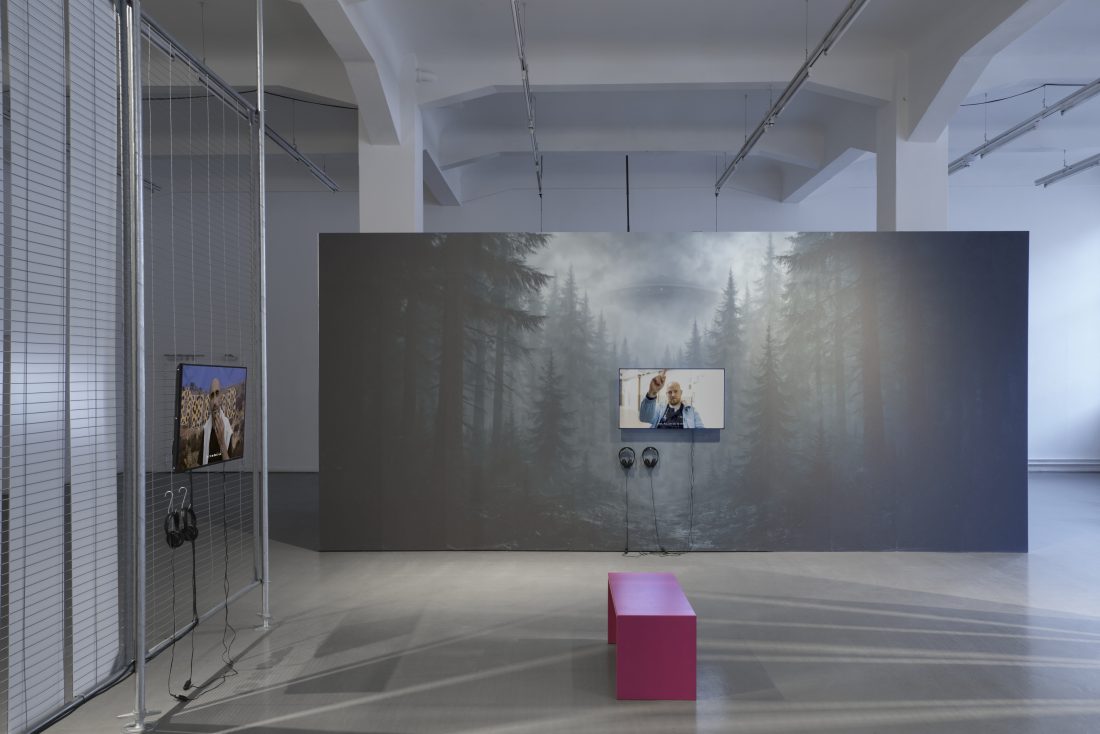
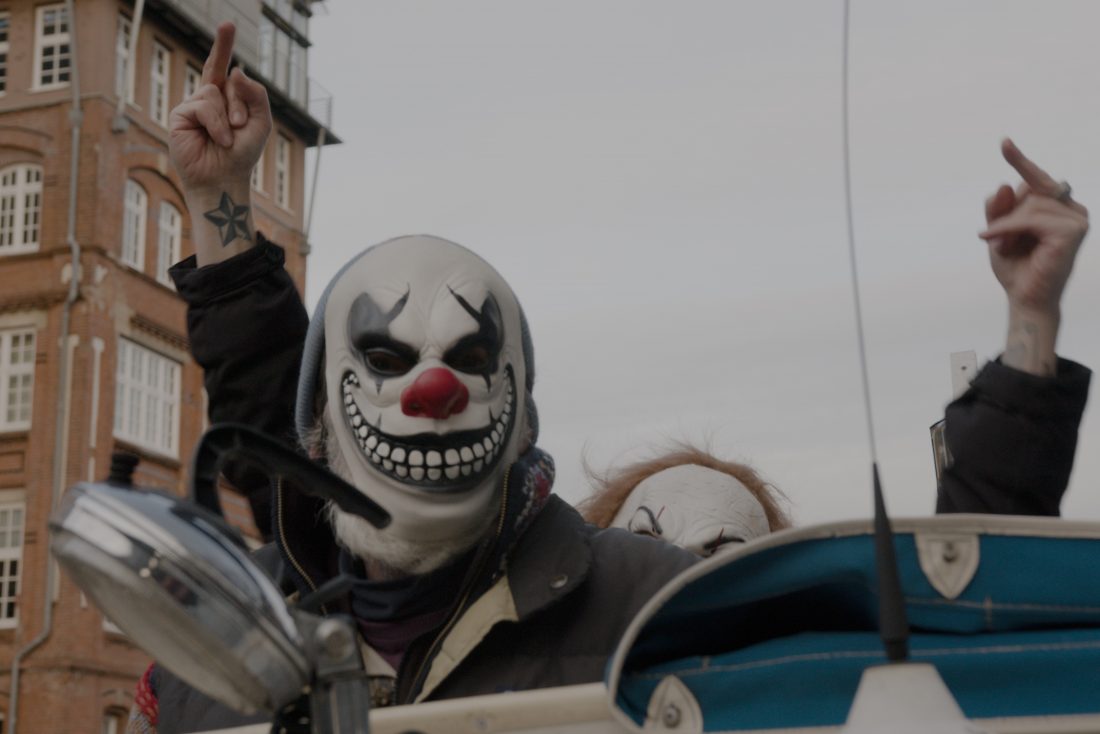
Places of transit such as train stations or public squares are sites where social divisions may become particularly visible, for example, Leopoldplatz in Berlin or the area around the Drob Inn, a contact and counselling centre providing drug consumption rooms not far from Hamburg Central Station. Addiction, homelessness and acute survival strategies collide here with urban mobility, shopping, art and culture. Precisely at this crystallisation point, Daniel Hopp’s work sets in.

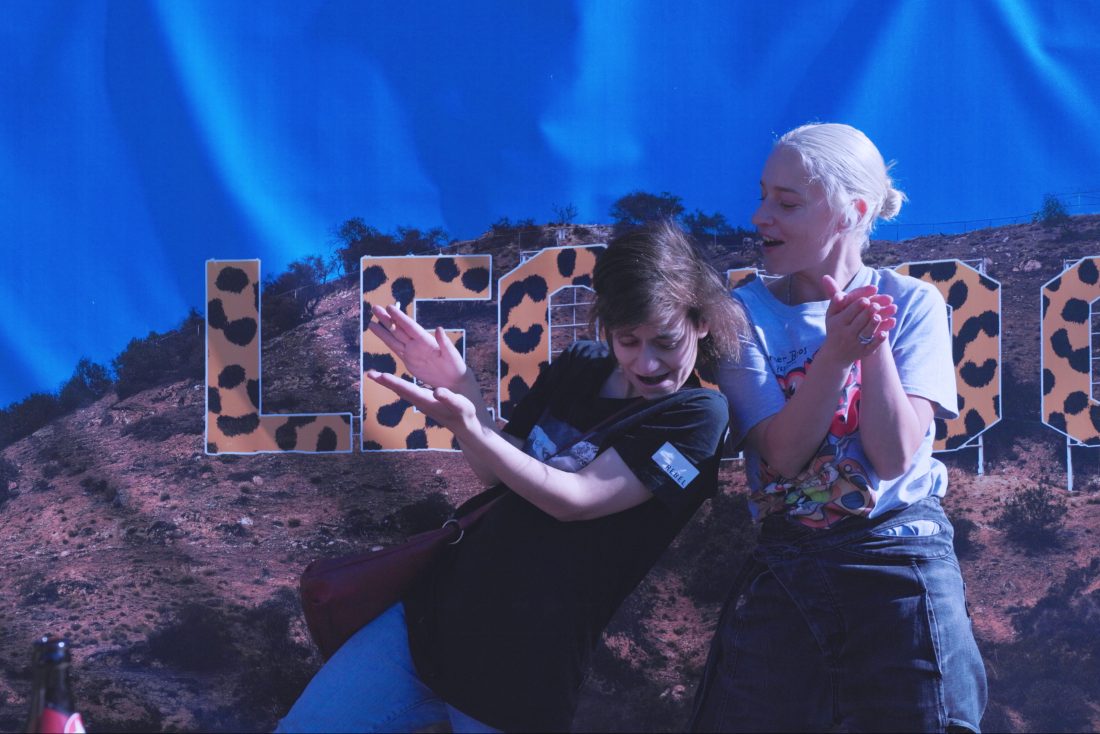
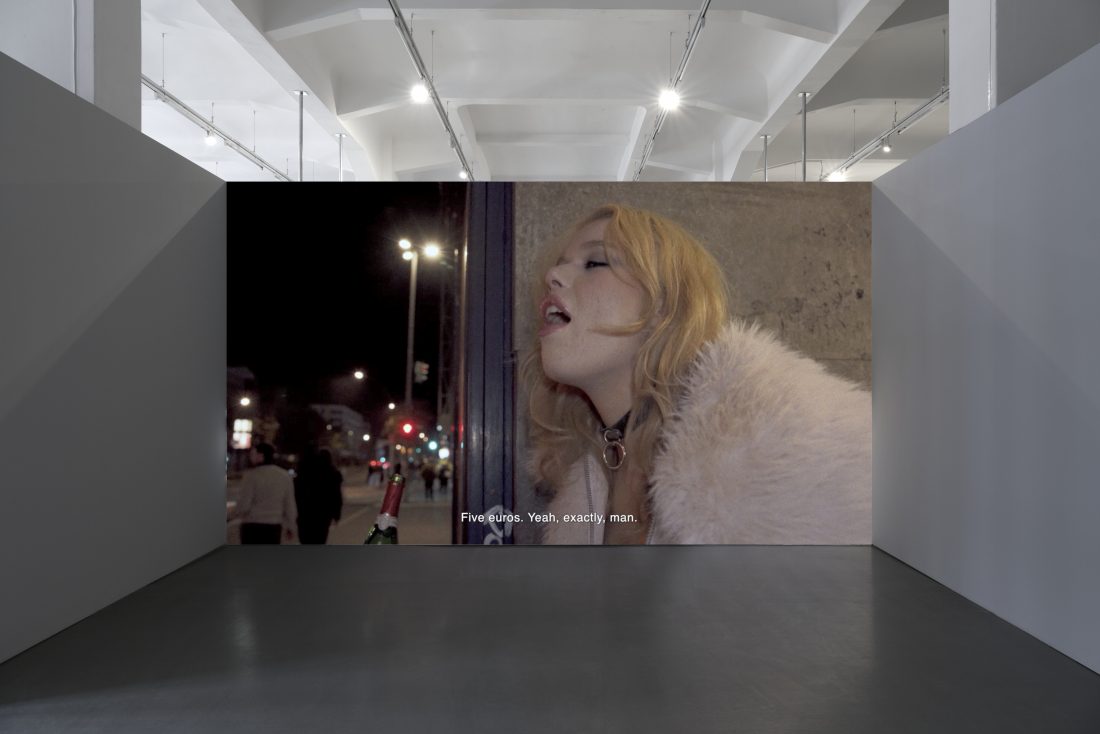
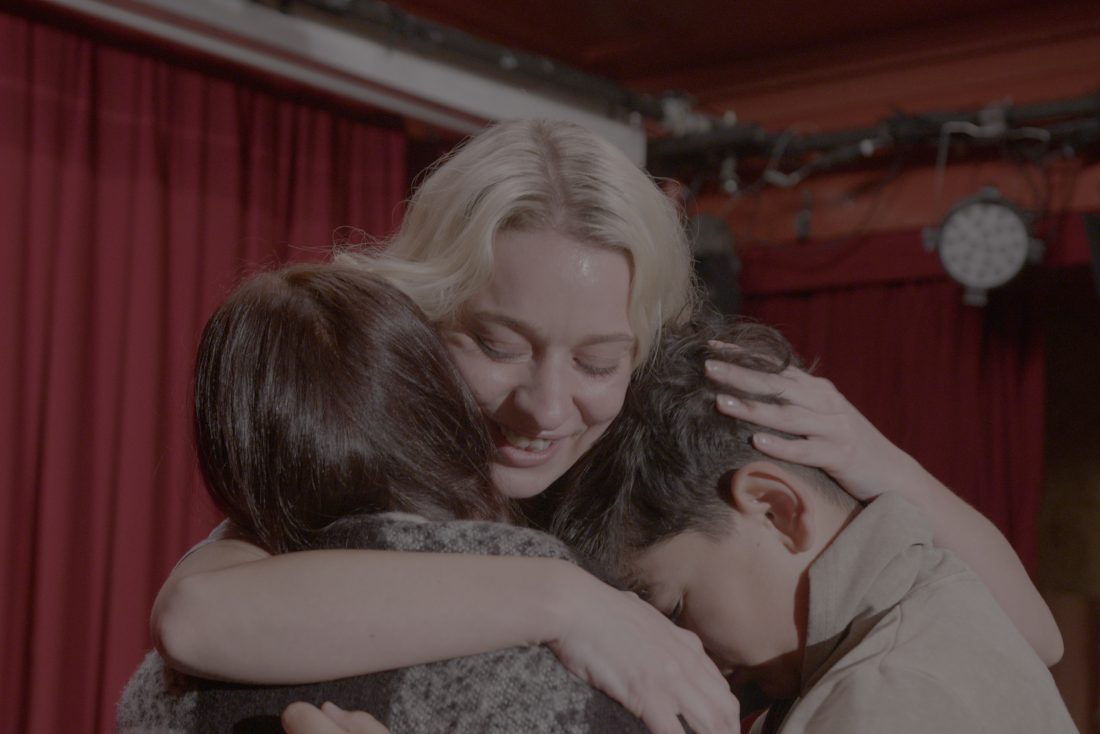
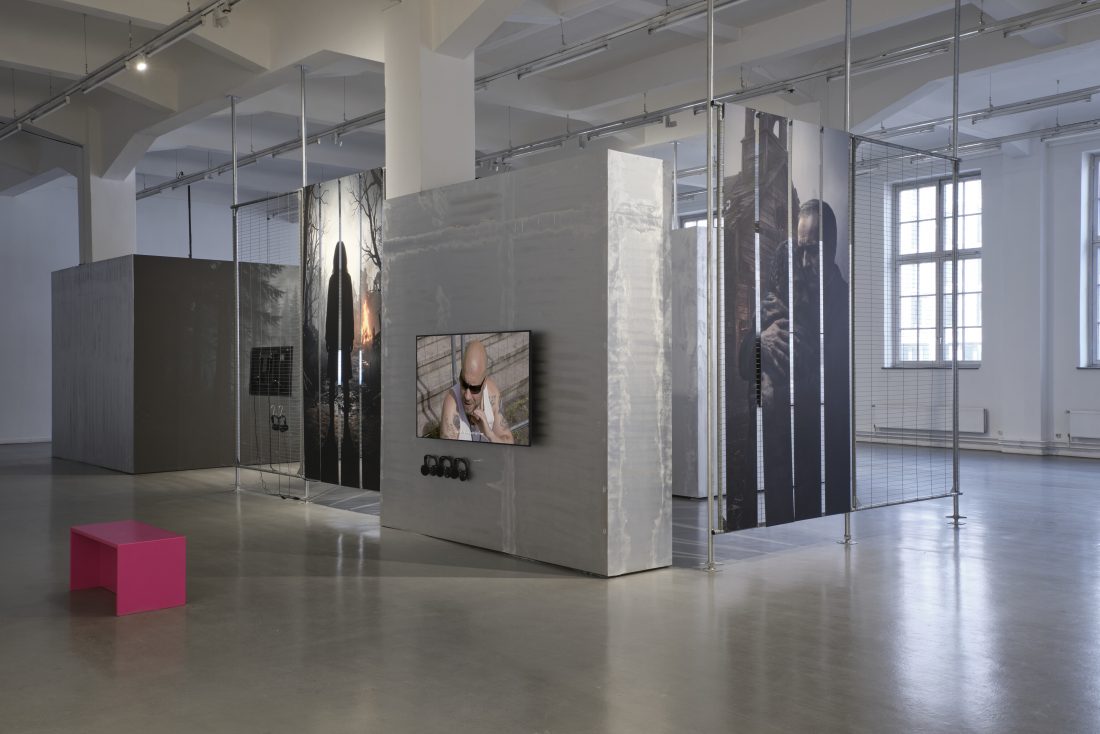
At the centre of his first institutional solo exhibition is the multi-part film installation Fictional Healing. In this work, the artist questions stigmatizing narratives associated with addiction and introduces images of care that open up new scope for action. Blending humour and seriousness, the immersive installation forms a resonant whole in which collective imagination enables self-empowerment. Based on his own experiences, Daniel Hopp developed documentary and (docu-)fictional film scenes in relationship-oriented processes together with people affected by addiction. Their personal histories, dreams and fantasies were explored in interviews and subsequently interpreted by amateur and professional actors. In addition, a series of video portraits provides insights into the protagonists’ lives.

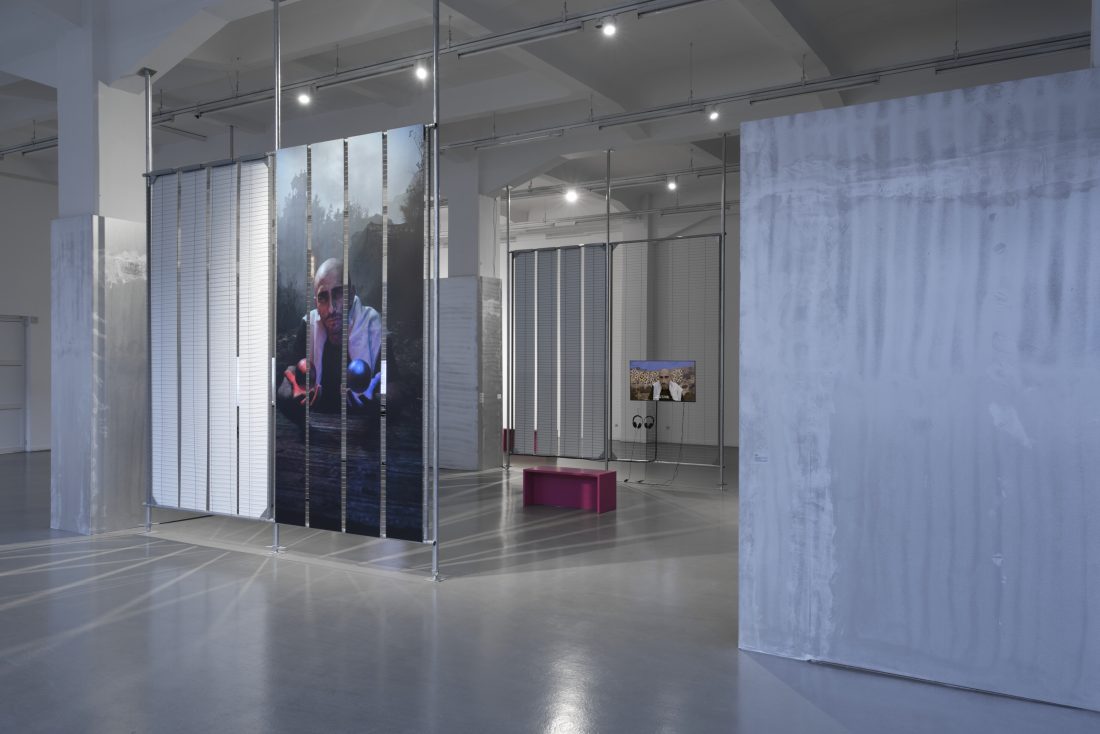
Within a monumental spatial architecture, films and AI-generated images converge to create a powerful experience, borne by a soundscape that unfolds across the entire hall. The exhibition highlights social issues and reveals how reality, documentation, collective imagination and cinematic fiction can become intertwined – resulting in a work that is both touching and unsettling, and raises questions about responsibility, representation and the necessary conditions for participation.

Curated by Anna Nowak


Content note: The films address issues such as physical and psychological violence, suicide, death, addiction and drug use.
Age recommendation: 16+


Exhibition text


Image 1, 3 ,5: Daniel Hopp, Fictional Healing, 2026 (Filmstills), Courtesy the artist / ania maria wanda
Image 2, 6, 7: Installation views: Daniel Hopp – Fictional Healing, Kunsthaus Hamburg 2026, Photos: Antje Sauer
Image 4: Daniel Hopp, Fictional Healing, 2026, Courtesy the artist / ania maria wanda; Photo: Antje Sauer


The film Fictional Healing, created especially for the exhibition, was produced by Ania Kolyszko (creative producer, ania maria wanda).

Kindly supported by:

Katharina Duve

My Hand Seeks the Way

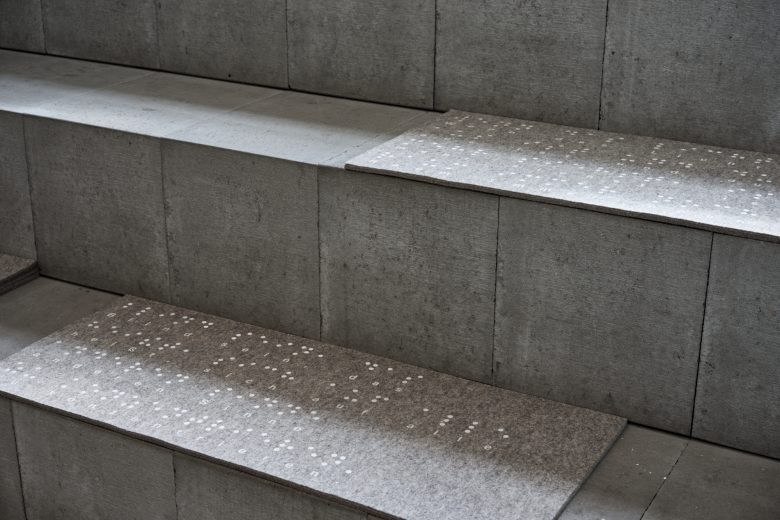
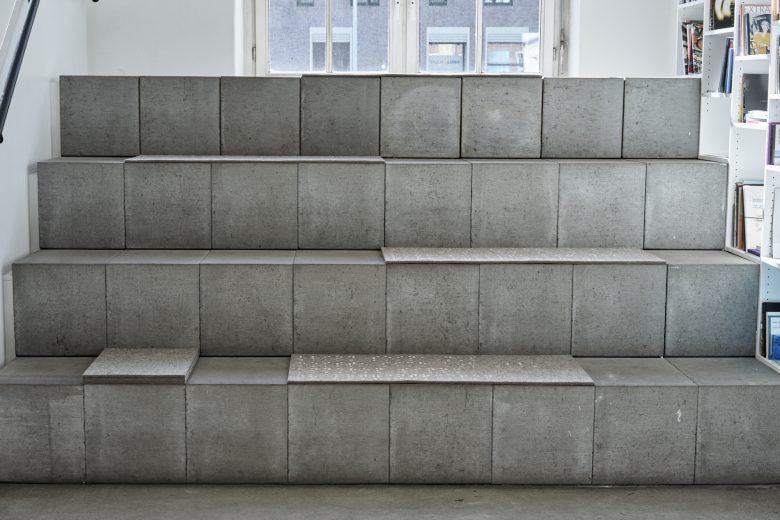
Image 1-3: Installation view: Katharina Duve – My Hand Seeks the Way, Kunsthaus Hamburg 2024, Photos: Antje Sauer
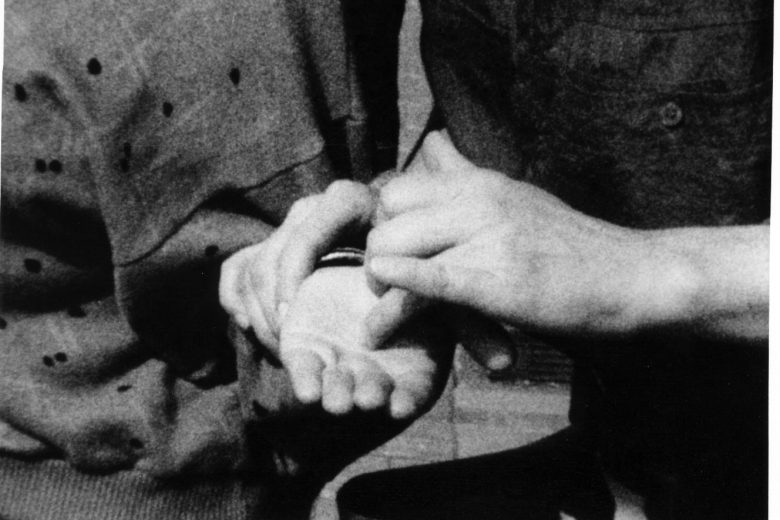
Image 4: Nina Rippel, Der geflüsterte Film (film still)


Katharina Duve
My Hand Seeks the Way

From 4 April 2024
Kunsthaus foyer


Situated between the street and the exhibition space, the foyer of the Kunsthaus is a place of transition; a threshold where modes of perception shift and questions about accessibility become evident. Following on from that observation, the Hamburg-based artist Katharina Duve has designed a new work for the stairs of the space.

My Hand Seeks the Way (2024) draws on an experimental film by Nina Rippel from 1992, which deals with the richness of human sensory impressions based on the perceptual world of blind people. Quotes from Rippel’s Der geflüsterte Film (“The Whispered Film”), her text Das Nicht-Sichtbare als Evidenz – Betrachtungen einer filmischen Praxis (“The Non-visible as Evidence – Reflections on a Cinematic Practice”) as well as poetic reflections by Katharina Duve herself were flocked onto eight seating elements made from felt in Braille and black letter. Thus, the work invites people with and without visual impairments to engage in an exchange about the complexity of perception through touch. Because not seeing does not mean perceiving less, but rather referring to an alternative spectrum of perceptions.


 Katharina Duve (*1980, Schwerin, GER) works in the fields of film, costume and performance. She is part of the filmmakers’ group Auge Altona, a collaborator of the music group Deichkind and a member of the performance collective geheimagentur. Since 2022, she has been a professor of Time-based Media at HAW Hamburg. Her artistic works have been shown at the Falckenberg Collection (2023), the International Short Film Festival Oberhausen (most recently in 2022), the Tate Modern, London (2017) and Brut, Vienna (2017), among others. She lives and works in Hamburg.

Jil Lahr

Sticky Business

Installation view: Jil Lahr. Sticky Business, Kunsthaus Hamburg 2023, Photos: Antje Sauer


Jil Lahr
Sticky Business

From 11 November 2023
Kunsthaus Hamburg


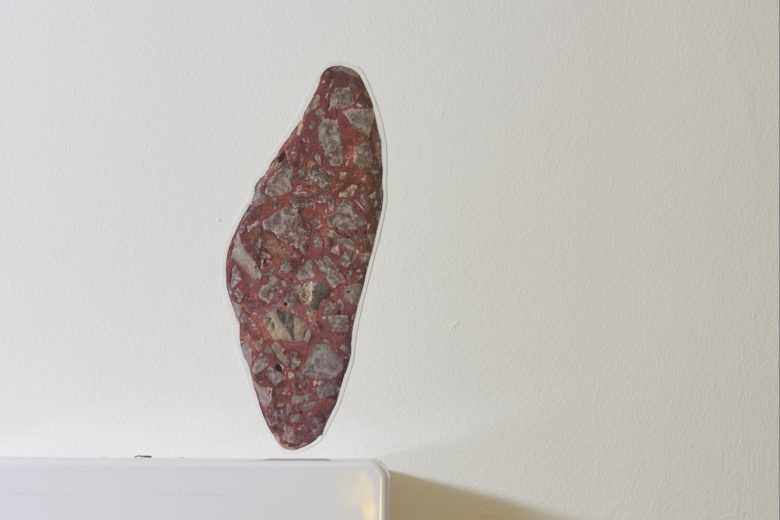
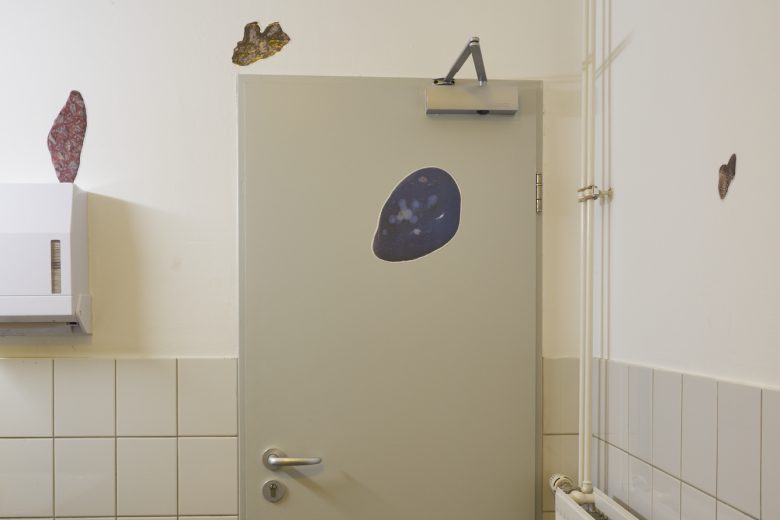
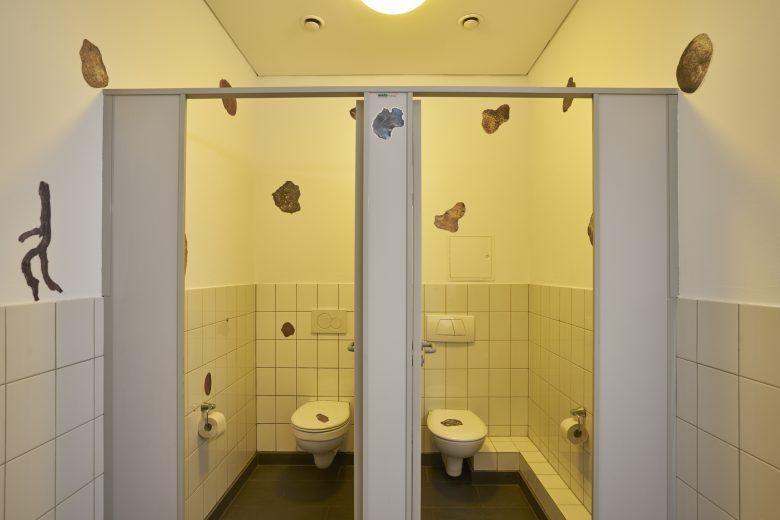
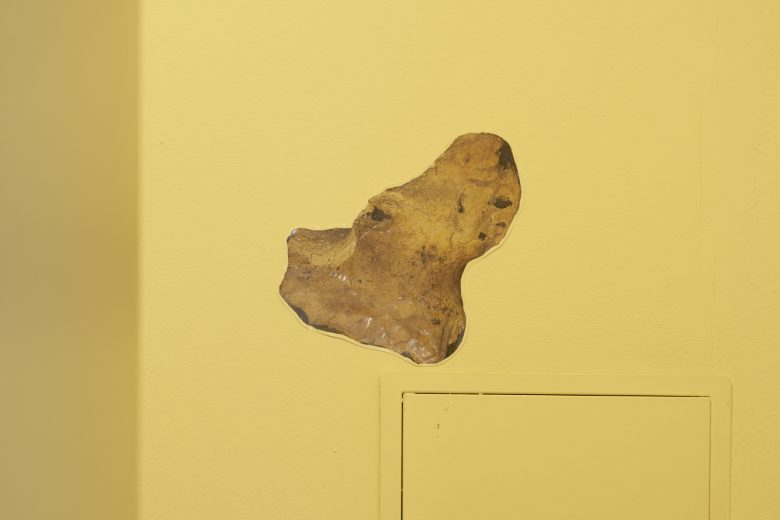
Like in the cabinets of curiosities from the early phase of the museum history, Jil Lahr mixes objects of different origins and purposes to create space-related installations, drawing on an extensive collection. Removed from their original settings, the objects of global everyday life trigger new associations, which often reveal the bizarre and humorous nature of massproduced items. By taking them out of their conventional context of use, the artist addresses Western consumerism and refers to entertainment culture.

For the toilets of the Kunsthaus, Jil Lahr has developed the permanent installation Sticky Business. She intuitively redesigned the rooms using stickers that depict stones from her own archive. The natural objects, charged with personal memories, float in space and provide a wry commentary on the functional interior.